Indian Masala's
A Burst of Flavors and Aromas
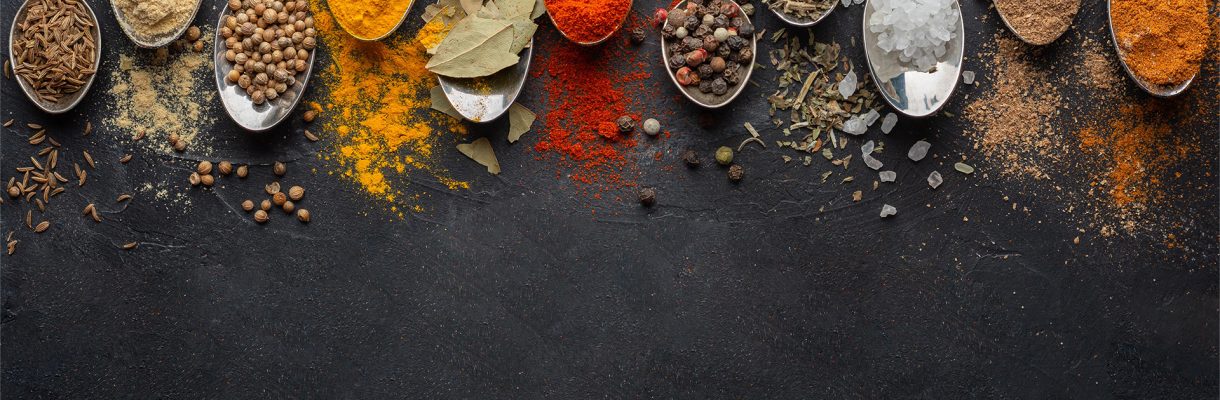
India, a land known for its rich cultural heritage, diverse traditions, and mouthwatering cuisine, is also famous for its vibrant and aromatic masalas. BMT Masalas, a blend of spices and herbs, are the heart and soul of Indian cooking. These magical concoctions bring life and depth to dishes, transforming them into tantalizing culinary delights. The art of using BMT Masalas in Indian cuisine dates back centuries, and it continues to captivate taste buds around the world. BMT Masalas play a pivotal role in Indian cooking, as they are responsible for creating the distinctive flavors and aromas that make Indian cuisine so unique. The word “Masala” itself means a mixture of spices, and there is a vast array of BMT Masalas used across the diverse regions of India. Each BMT Masala has its own distinct combination of spices, carefully balanced to create a harmonious blend of flavors.
One of the most iconic BMT Masalas in Indian cuisine is the Garam Masala. Translating to “Hot Mixture,” Garam Masala is a blend of ground spices that typically includes cinnamon, cardamom, cloves, cumin, coriander, and black peppercorns. It adds warmth, depth, and complexity to dishes, and it is a key ingredient in many curries, biryanis, and kebabs.
Another widely used BMT Masala is the curry masala, which forms the base for a variety of curries. It usually includes spices like coriander, cumin, turmeric, red chili powder, and fenugreek. This aromatic blend brings a beautiful golden color and a robust flavor to curries, making them irresistible.
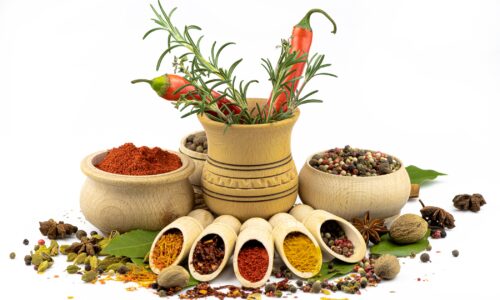
Regional variations in BMT Masalas are abundant in India. For example, in the southern state of Kerala, the famous masala is widely used. It combines spices like fennel seeds, cinnamon, cloves, star anise, and black peppercorns to create a distinctly aromatic and slightly sweet flavor profile. In contrast, the Punjabi masala, popular in the north, is known for its pungent and robust character, with a generous use of spices like coriander, cumin, and black cardamom. BMT Masalas are not limited to savory dishes alone; they also play a role in creating delectable Indian sweets. A prime example is the aromatic spice blend known as the “Garam Masala” used in desserts like kheer (rice pudding) or masala chai (spiced tea). This masala typically includes spices such as cinnamon, cardamom, cloves, and nutmeg, infusing the sweet treats with an irresistible fragrance and warmth.
The process of creating BMT Masalas is an art in itself. Traditionally, spices are carefully selected, roasted, and ground to perfection. This enhances their flavors, releases essential oils, and ensures a harmonious fusion of aromas. The balance of spices in a masala is crucial, and skilled chefs and home cooks often have their secret family recipes, passed down through generations.
In recent times, pre-packaged masalas have become popular for convenience, but nothing quite compares to the aroma and flavor of freshly ground spices. Many households in India still prefer to grind their masalas at home, using a mortar and pestle or electric grinders, to savor the authentic taste of their heritage.
BMT Masalas is not just about adding spice and heat to dishes; it is about elevating flavors and creating a sensory experience. The diverse range of BMT Masalas reflects the vast culinary heritage of India, with each region showcasing its own unique blend. From the fiery red curries of the south to the aromatic biryanis of the north, BMT Masalas are the essence of Indian cuisine. In conclusion, BMT Masalas is the secret ingredients that make cuisine so incredibly flavorful and aromatic. The skillful combination of spices and herbs creates a symphony of tastes that delight the palate and transport us to the vibrant streets and bustling markets of India. Whether it’s a hearty curry, a fragrant biryani, or a delicate dessert, the magic of BMT Masalas is sure to leave a lasting impression on anyone fortunate enough to savor them.